
Prevent frozen burst pipes, cold showers, and basement flooding by completing these five essential plumbing winterization steps before the first freeze. In Northern Virginia, addressing this problem requires understanding local housing eras, Fairfax County Land Development Services (Fairfax PLUS) permitting rules, and safe water shutoff practices. For immediate assistance across Fairfax City and County, Red Eagle Plumbers provides 24/7 live dispatch at (858) 363-8298 with upfront pricing.
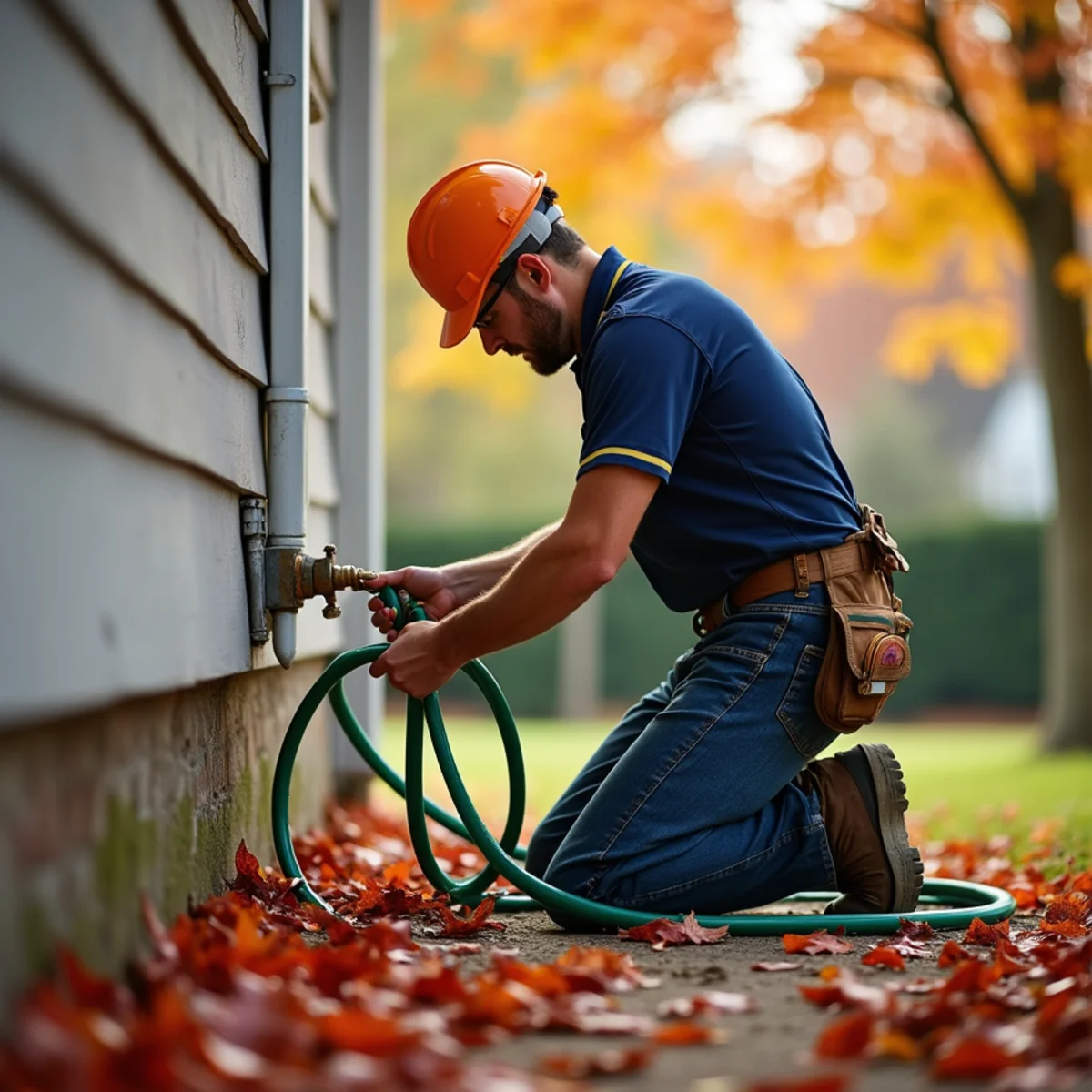
Autumn in Northern Virginia brings stunning foliage and crisp weather, but it also signals the approaching arrival of sub-freezing winter temperatures. Because Fairfax, Herndon, and Sterling homes feature basements, unheated crawl spaces, and exterior spigots vulnerable to winter freezes, proactive fall plumbing maintenance is vital to preventing expensive mid-winter emergencies.
Taking a few proactive steps in October and November protects your domestic water lines, ensures reliable hot water, and keeps your basement dry throughout the winter months.
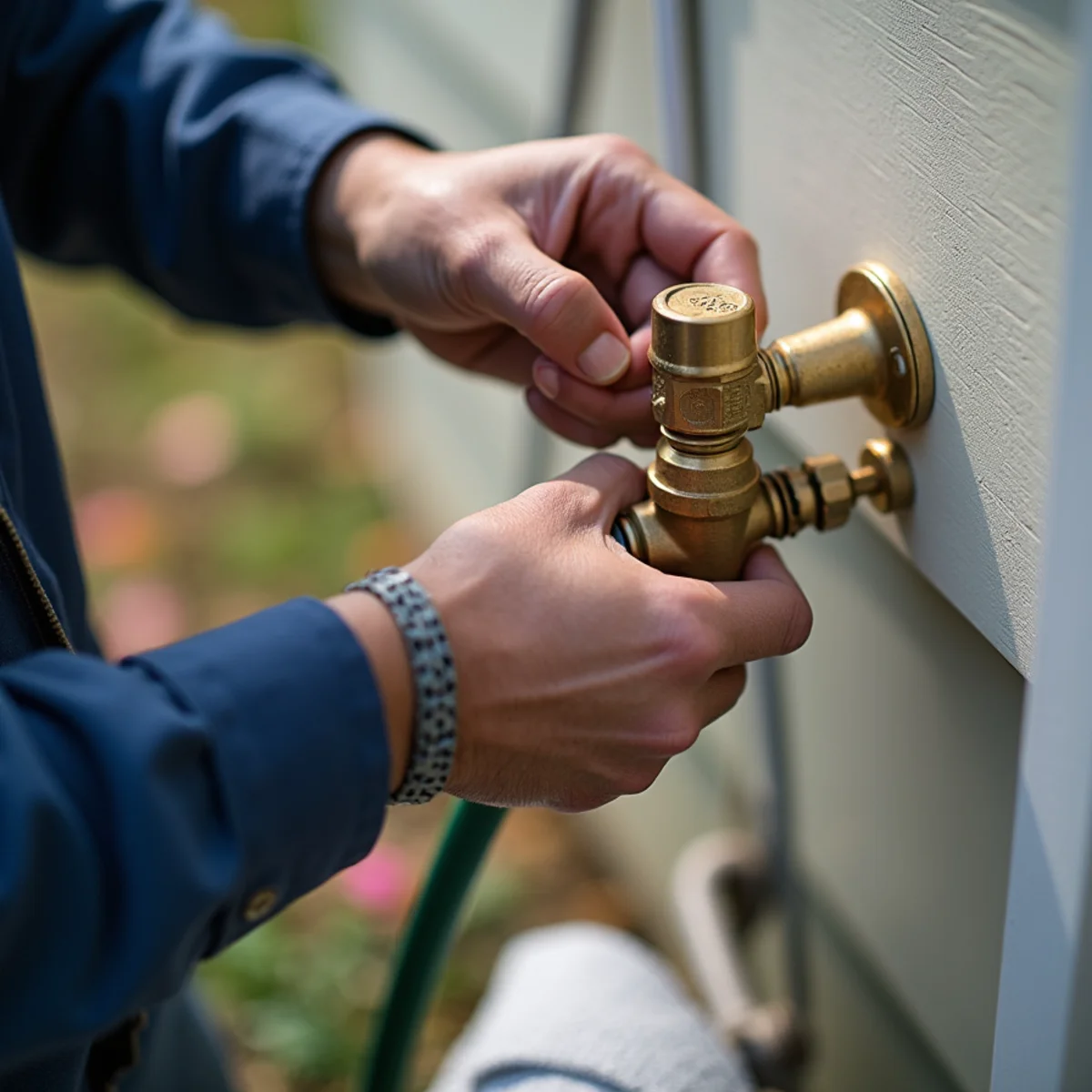
1. Disconnect and Drain Outdoor Garden Hoses The single most common cause of frozen, burst pipes in Fairfax homes every winter is a garden hose left connected to an outdoor spigot: - Even if you have a modern 'frost-free' sillcock, leaving a hose attached traps water inside the valve body. - When overnight temperatures plummet below 32°F, trapped water freezes, expands, and splits the brass or copper tube located inside your home's exterior rim joist. - The leak remains frozen solid until the first warm day in spring—or until you turn the spigot handle, sending pressurized water gushing into your basement ceiling. - **Action**: Disconnect all hoses, drain them, and store them indoors. For non-frost-free valves, close the interior shut-off valve in your basement and open the outside bleeder valve to drain the line completely.
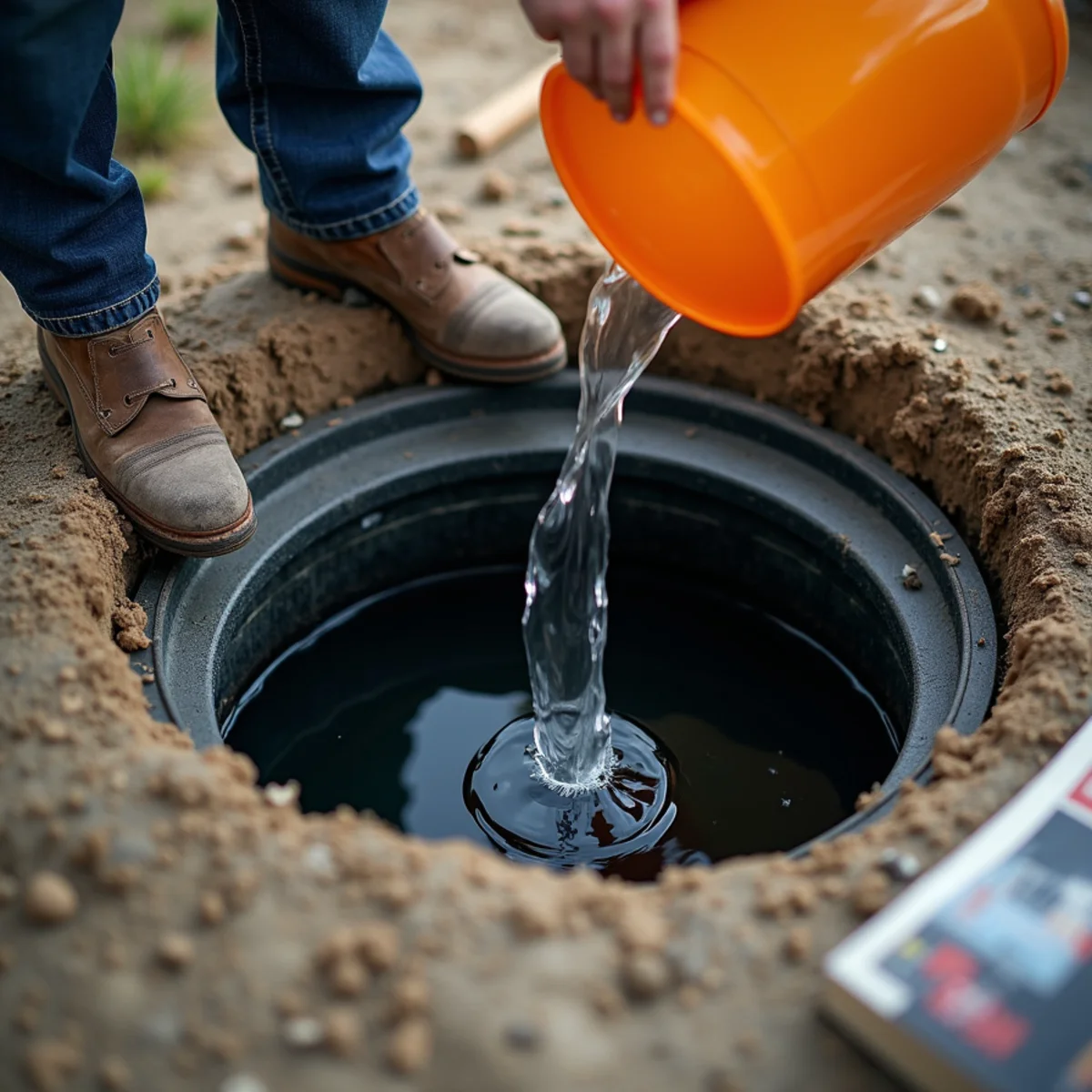
2. Inspect and Test the Basement Sump Pump Winter storms in Northern Virginia often bring a mix of heavy rain, sleet, and rapid snowmelt that saturates the clay ground, creating high hydrostatic pressure against foundation walls: - Pour a five-gallon bucket of water slowly into your sump basin. - Verify that the vertical float switch lifts smoothly and engages the pump motor without jamming against the pit wall. - Ensure the pump rapidly discharges the water volume and shuts off cleanly. - Inspect the exterior discharge pipe where it exits the foundation wall. Verify it has proper downward slope and that leaves, mulch, or rodents have not blocked the discharge outlet. Consider installing a freeze-relief fitting (such as IceGuard) to prevent backups if the exterior pipe freezes.
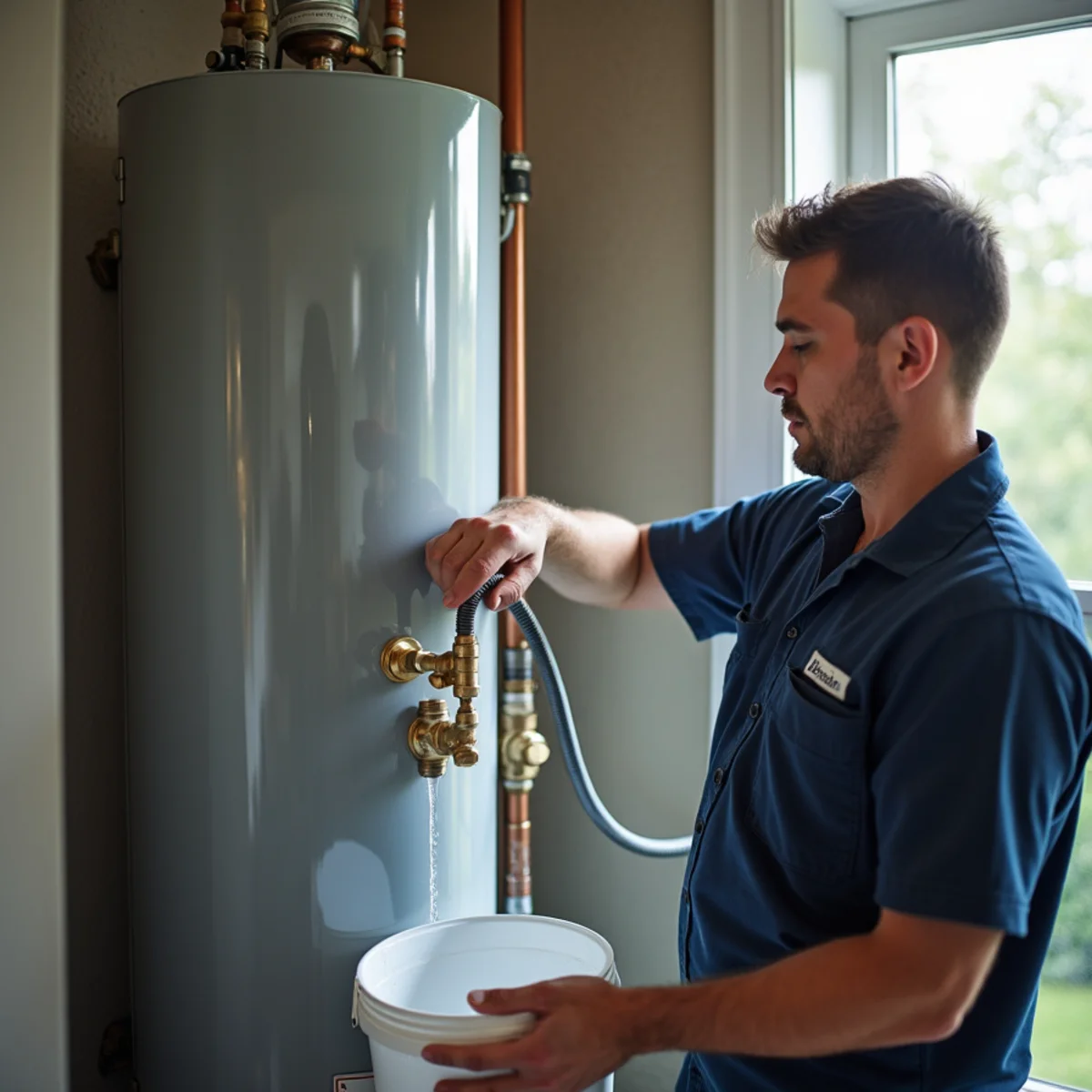
3. Flush Mineral Sediment from Your Water Heater During the winter, municipal water supplied by Fairfax Water enters your home at temperatures as low as 40°F, forcing your water heater to work significantly harder to deliver 120°F water to showers: - Over time, calcium and magnesium scale accumulate at the bottom of the tank, acting as an insulating blanket that forces gas burners to fire hotter and longer. - Connecting a garden hose to the water heater drain valve and flushing out mineral sediment restores heat transfer efficiency, lowers winter utility bills, and prolongs tank lifespan. - Test the temperature and pressure (T&P) safety relief valve by gently lifting the lever to ensure water discharges freely and reseats without dripping.
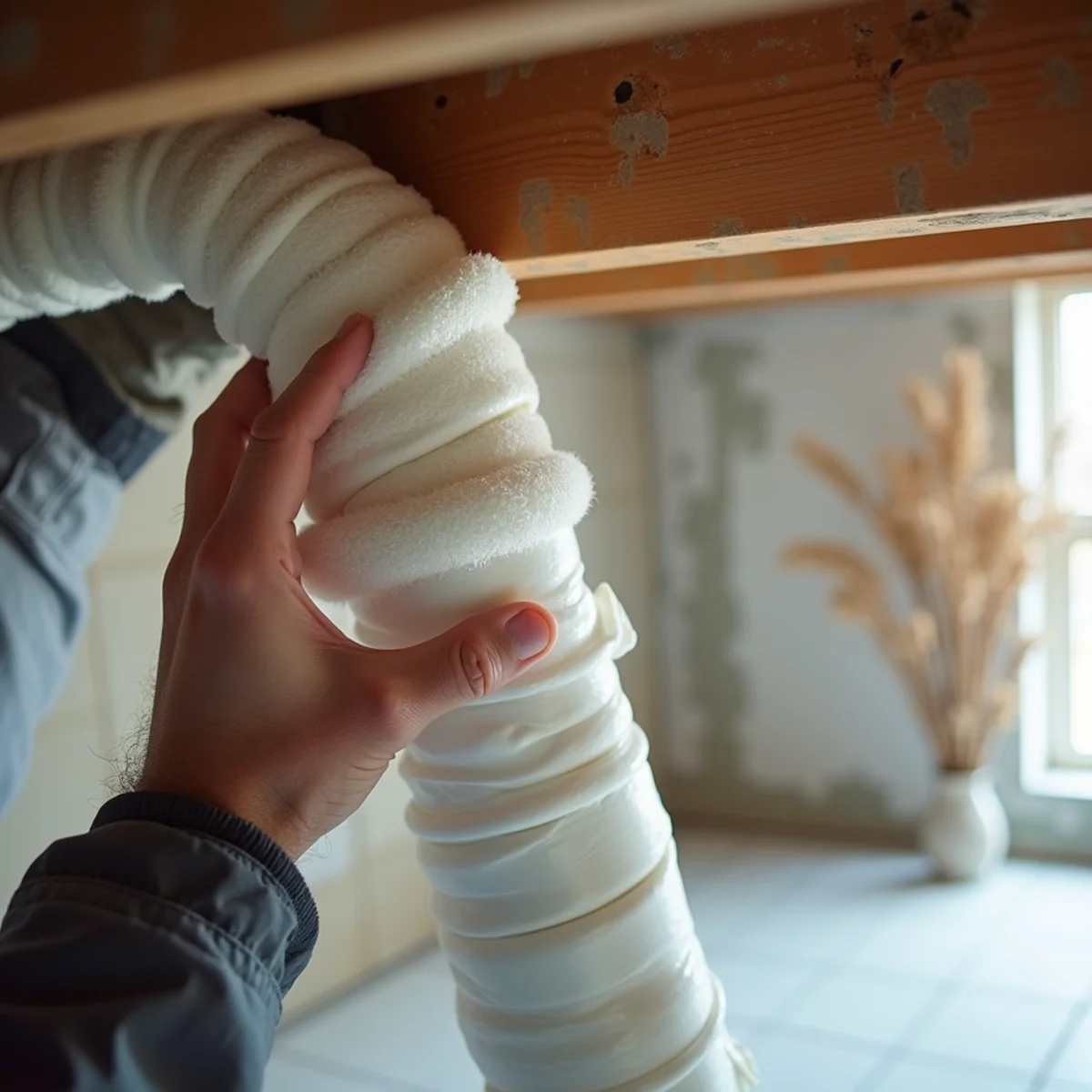
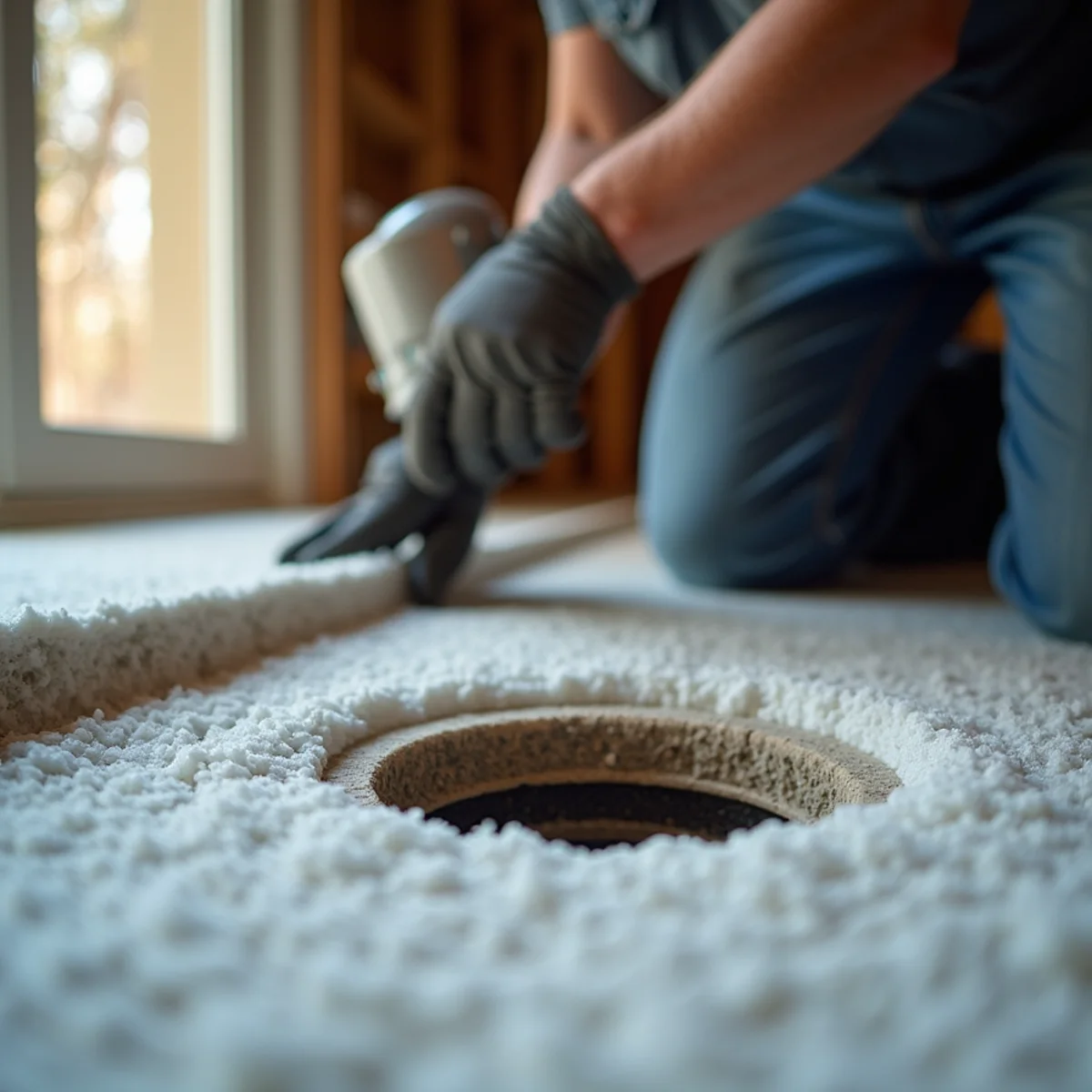
4. Insulate Exposed Pipes in Unheated Spaces Inspect your home for water pipes located in unheated areas: - Check basement rim joists, crawl spaces, unheated garages, and under-sink cabinets located on exterior perimeter walls. - Fit exposed copper and PEX lines with high-density closed-cell polyethylene foam pipe insulation sleeves, sealing joints securely with insulation tape. - In severe cold snaps, open cabinet doors under kitchen and bathroom sinks to allow warm ambient household air to circulate around plumbing supply lines.
5. Locate and Test Your Main Water Shut-Off Valve Before an emergency occurs, verify that every adult in your household knows the exact location of your main water shut-off valve: - Locate the valve in the basement utility area where the water line enters from the street. - Test the valve by gently turning it to verify it moves freely without excessive force. If an old brass gate valve is seized with corrosion, have a licensed plumber replace it with a smooth, reliable quarter-turn brass ball valve before winter.
To schedule a professional fall plumbing inspection or winterization tune-up in Fairfax, call Red Eagle Plumbers at (858) 363-8298.
Have questions about your Northern Virginia plumbing?
Speak directly with an on-duty dispatcher. We quote upfront before any work starts.
Questions Addressed in This Guide
Quick reference answers to key questions covered in this article.
Water pipes are at significant risk of freezing whenever outdoor temperatures drop to 20°F (-6°C) or below for several consecutive hours, especially if pipes are located in uninsulated exterior walls or drafty crawl spaces.
Have a question not answered here? Speak with our Fairfax dispatch desk.
Call (858) 363-8298 — Answering 24 Hours, 7 Days a WeekRelated Plumbing Resources for Northern Virginia
Relevant Services:
Covered Localities:
Need Fast Plumbing Assistance in Fairfax?
Plumbers on call 24 hours a day, 7 days a week. Upfront written estimates before work begins.
Not urgent? Send a request
For immediate service or an active leak, calling is always fastest. If your project can wait for a callback during standard hours, submit your details below.