
When sub-freezing Arctic air hits Northern Virginia, uninsulated water pipes in basements, attics, and exterior walls can freeze and burst. Here is your step-by-step emergency action plan. In Northern Virginia, addressing this problem requires understanding local housing eras, Fairfax County Land Development Services (Fairfax PLUS) permitting rules, and safe water shutoff practices. For immediate assistance across Fairfax City and County, Red Eagle Plumbers provides 24/7 live dispatch at (858) 363-8298 with upfront pricing.
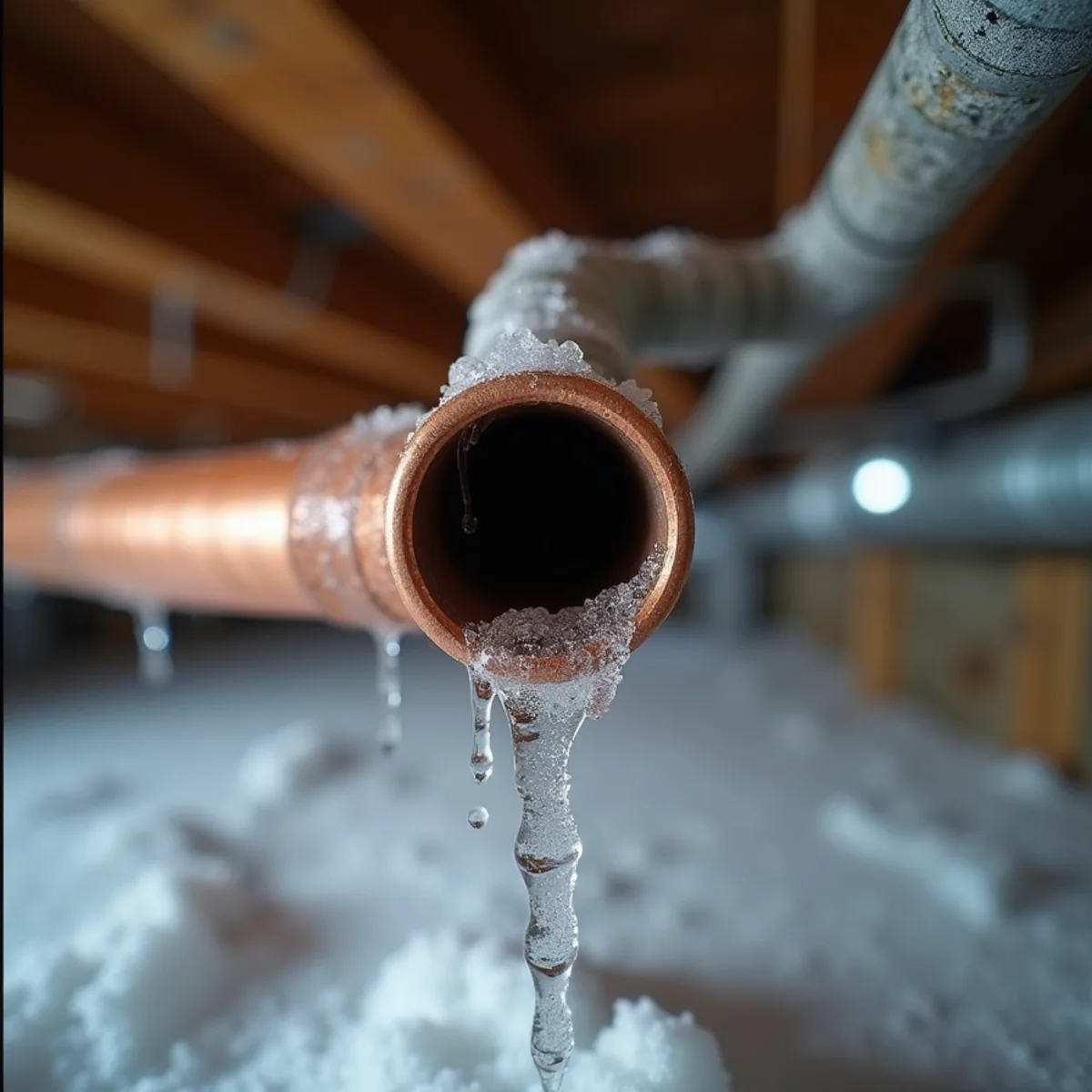
Northern Virginia winters routinely subject residential plumbing systems to severe freezing temperatures, with overnight lows dipping into the single digits. When an Arctic cold front sweeps through Fairfax County, water inside exposed pipes freezes. Because water expands by approximately 9 percent as it transitions to ice, it exerts immense pressure against the interior walls of copper, PVC, and even PEX tubing. Often, the homeowner doesn't notice the pipe has split until the freeze breaks, the ice plug thaws, and full municipal water pressure from Fairfax Water begins gushing behind drywall, through ceilings, or into finished basements.
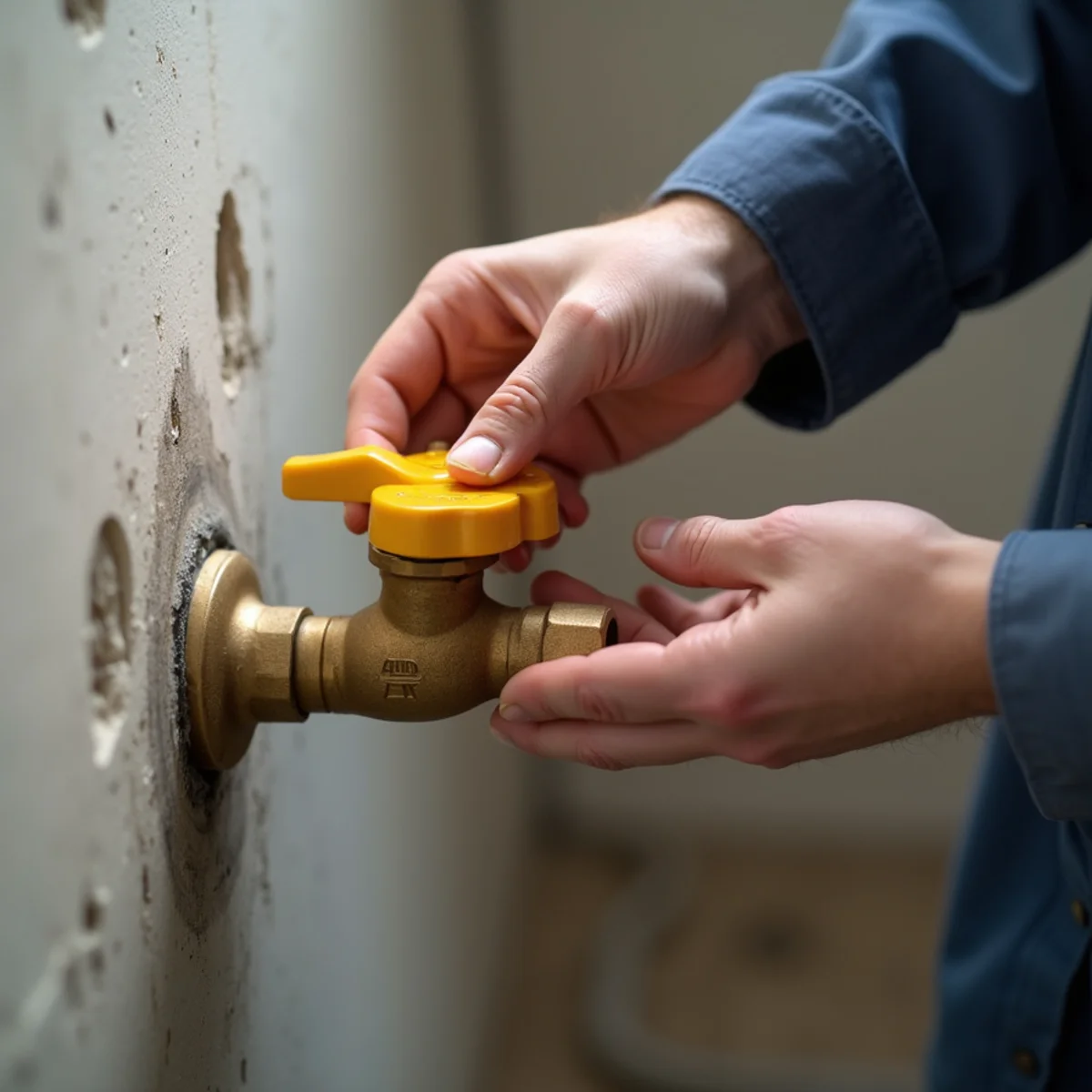
Step 1: Immediately Shut Off the Main Water Supply The very first action must be shutting off the pressurized water source to your home. Do not spend precious minutes searching for towels or buckets while water is actively flowing. - In most Fairfax homes with basements, your main water shut-off valve is located along the interior perimeter wall where the water service line enters the foundation from the street. - Look for a brass gate valve with a round wheel handle (turn it clockwise until tight) or a modern quarter-turn ball valve (turn the lever perpendicular to the pipe). - In homes built on a concrete slab or in townhome developments like Centreville or Chantilly, the shut-off valve may be located inside a ground-floor utility closet near the water heater or under the kitchen sink. - If the interior valve is seized, corroded, or inaccessible, the water must be shut off at the exterior curb stop meter box near the street using a specialized water meter curb key.
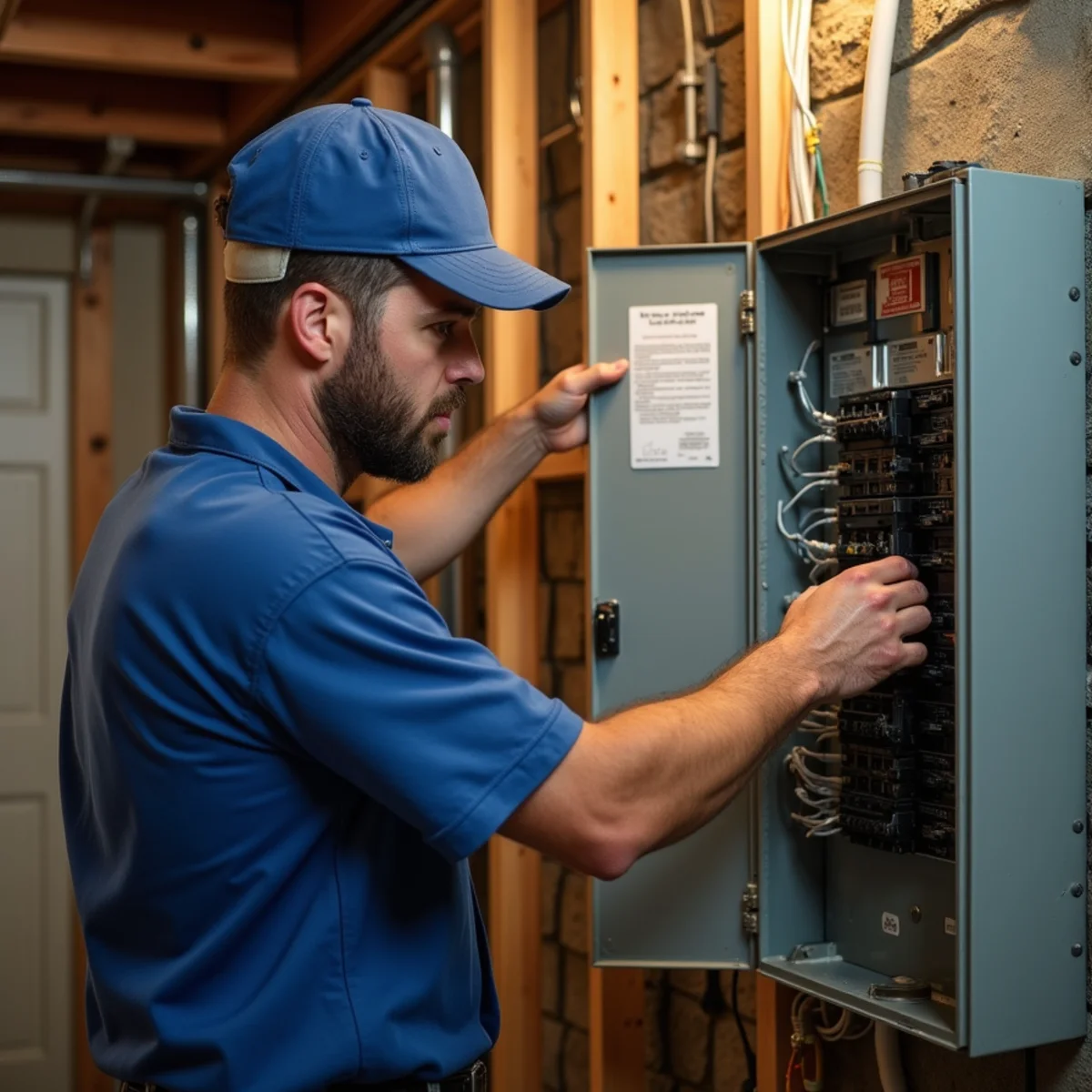
Step 2: Eliminate Electrical Shock Hazards Water and electricity create an immediate life-safety hazard. If leaking water is pooling near electrical wall outlets, baseboard heaters, floor receptacles, appliances, or your primary breaker box: - Do NOT walk into standing water to reach an appliance or shut-off valve. - If you can reach your main electrical panel safely from a dry area, shut down power to the affected zones or flip the main breaker. - If the electrical panel is in a flooded basement or near the leak, immediately step outside and contact your electric utility or emergency services.
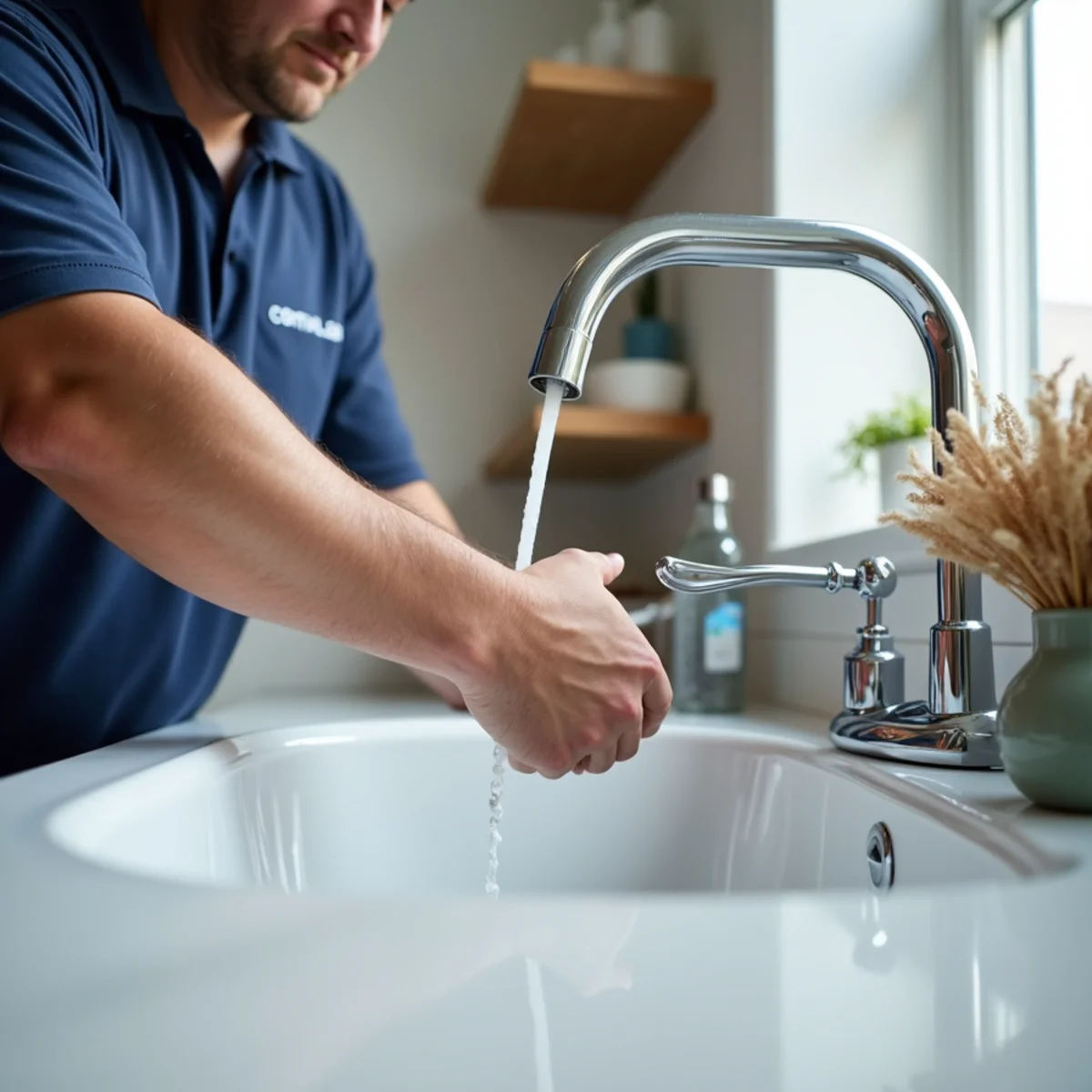
Step 3: Depressurize and Drain the Remaining Plumbing System Once the main water valve is securely closed, relieve the residual pressure trapped inside the home's piping: - Open the lowest faucet in your home—such as a basement laundry utility sink or an exterior frost-free hose bib. - Next, open the highest faucets on the upper floor. This creates a siphon effect that drains trapped water out of upper pipes away from the rupture rather than allowing it to continue draining through the ceiling. - Turn off the power or gas supply to your water heater. An unpressurized or drained water heater can suffer burned-out electric elements or severe tank overheating if left on without water.
Step 4: Safely Thaw Still-Frozen Pipes If you have a frozen line that has not yet burst (for example, no water flows from a faucet during a hard freeze): - Never use an open flame, blowtorch, kerosene heater, or propane torch to thaw frozen pipes. Open flames ignite dry wall studs, insulation backing, and vapor barriers, sparking catastrophic house fires. - Keep the faucet tap open slightly so expanding steam and water can escape as the line thaws. - Apply gentle heat using an electric hair dryer, a portable space heater set at a safe distance, or warm towels wrapped around the exposed pipe. - Work gradually from the faucet end backward toward the frozen blockage.
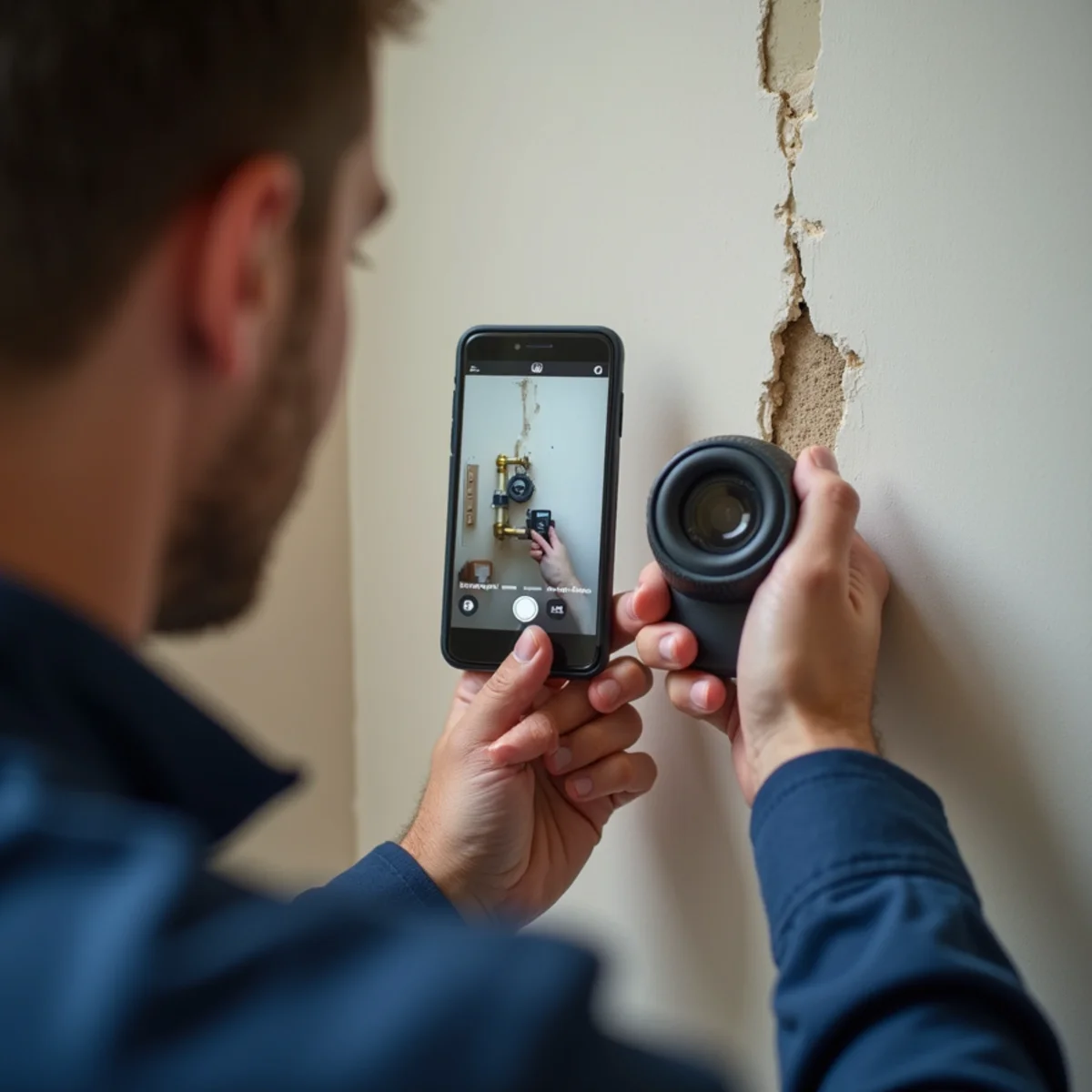
Step 5: Document the Damage for Insurance Coverage Virginia homeowners insurance policies typically cover sudden, accidental burst pipe water damage, but coverage often requires proving the home was adequately heated and that reasonable mitigation steps were taken: - Photograph and take continuous video of the burst pipe, the active water spray, waterlines on drywall, and all damaged furniture, electronics, and flooring before beginning cleanup. - Keep a written log documenting the exact time the leak was discovered, when the water was shut off, and who was contacted. - Save damaged pipe sections after the plumber completes repairs; insurance adjusters may inspect the pipe to verify sudden freeze rupture versus long-term gradual corrosion.
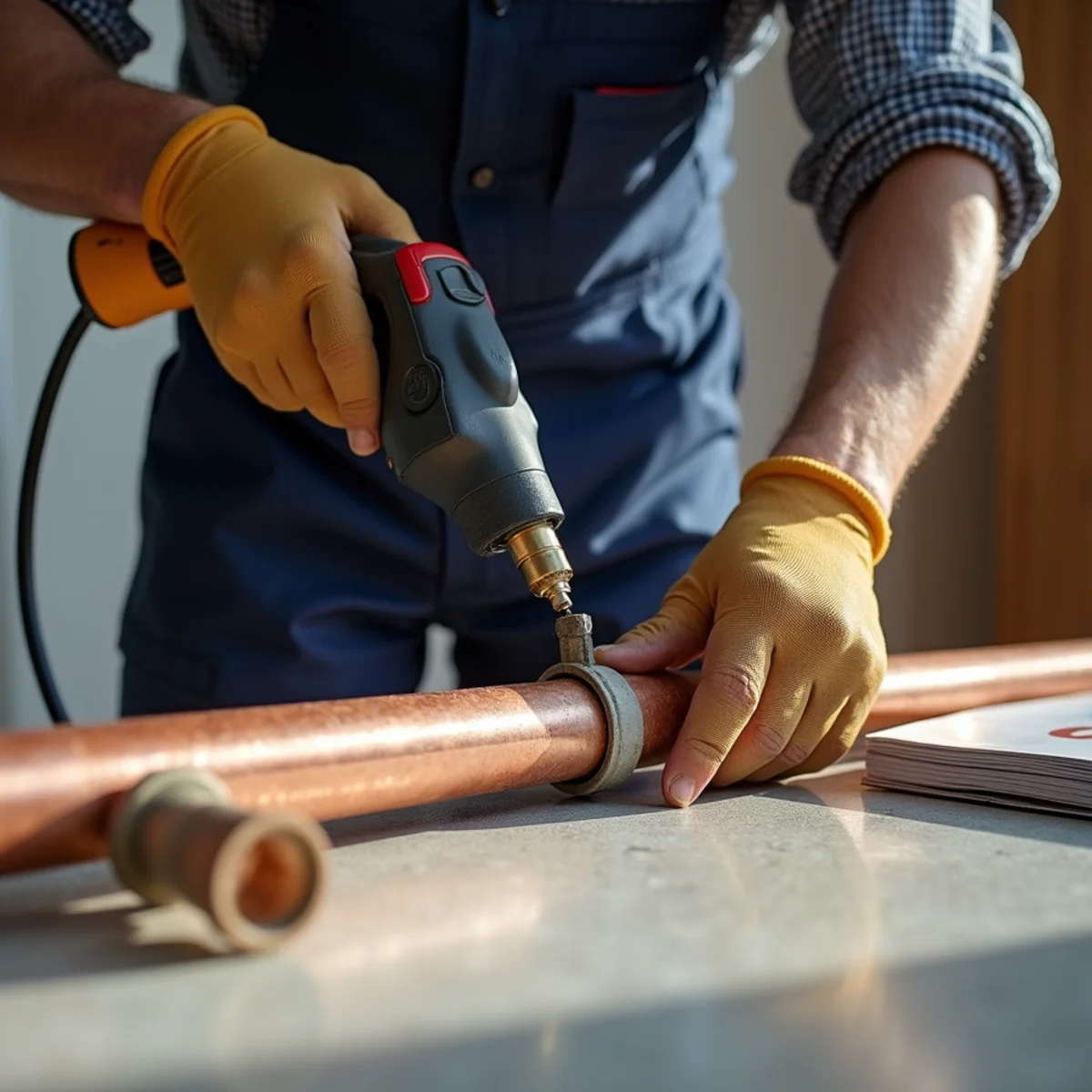
Calling for Emergency Assistance A ruptured pipe requires immediate professional repair by a licensed Virginia plumber. When you contact Red Eagle Plumbers at (858) 363-8298, our 24/7 emergency dispatch routes an equipped local technician directly to your Fairfax, Burke, or Centreville home to cut away damaged piping, sweat new copper or crimp freeze-resistant Uponor PEX-A, and test the entire system under full pressure before restoring service.
Have questions about your Northern Virginia plumbing?
Speak directly with an on-duty dispatcher. We quote upfront before any work starts.
Questions Addressed in This Guide
Quick reference answers to key questions covered in this article.
PEX (cross-linked polyethylene) is significantly more flexible than copper or rigid PVC and can expand up to 300% to accommodate ice expansion. However, continuous extreme freezes or repeated freeze cycles can still split PEX fittings and burst brass couplings.
Have a question not answered here? Speak with our Fairfax dispatch desk.
Call (858) 363-8298 — Answering 24 Hours, 7 Days a WeekRelated Plumbing Resources for Northern Virginia
Relevant Services:
Covered Localities:
Need Fast Plumbing Assistance in Fairfax?
Plumbers on call 24 hours a day, 7 days a week. Upfront written estimates before work begins.
Not urgent? Send a request
For immediate service or an active leak, calling is always fastest. If your project can wait for a callback during standard hours, submit your details below.